
Drill into tough masonry effortlessly when you choose the right hammer drills for concrete and brick projects around your home workshop.
Read The Full Guide
A hammer drill combines rotation with rapid blows to break through hard masonry. It is essential when you need to anchor shelves to concrete walls or mount heavy fixtures into brick surfaces. Choose a model with variable speed settings and a sturdy side handle for safe control during heavy drilling tasks.
Understanding Masonry Power
Drilling into stone requires tools that deliver powerful impact force alongside standard rotation. Standard drills lack the hammering action needed to crush hard aggregates found in solid foundations. Matching your tool capacity to the hardness of the material ensures clean holes every time.
Selecting The Right Bits
Carbide tipped masonry bits are mandatory for long lasting performance in abrasive stone. Standard steel bits will dull instantly against aggregate walls. Pairing strong bits with the correct impact setting prevents overheating and extends accessory lifespan.
Power Sources And Voltage
Cordless technology provides unmatched mobility when working on exterior walls or distant garden structures. Higher voltage platforms deliver sustained torque needed for large diameter masonry holes. Consider battery capacity alongside tool weight to maintain comfort during extended work sessions.
Safety And Handling Tips
Dust management keeps your workspace clean and protects your lungs from fine silica particles. Using side handles securely prevents the tool from twisting violently if the bit strikes rebar. Always wear eye and ear protection before operating high vibration equipment.
Quick Buying Checklist
- Match the hammering mechanism strength to the density of your wall material.
- Select carbide tipped bits specifically engineered for abrasive masonry use.
- Choose comfortable grip designs that reduce hand fatigue during long tasks.
- Verify battery platform compatibility to share power across multiple workshop tools.
Top Picks To Compare
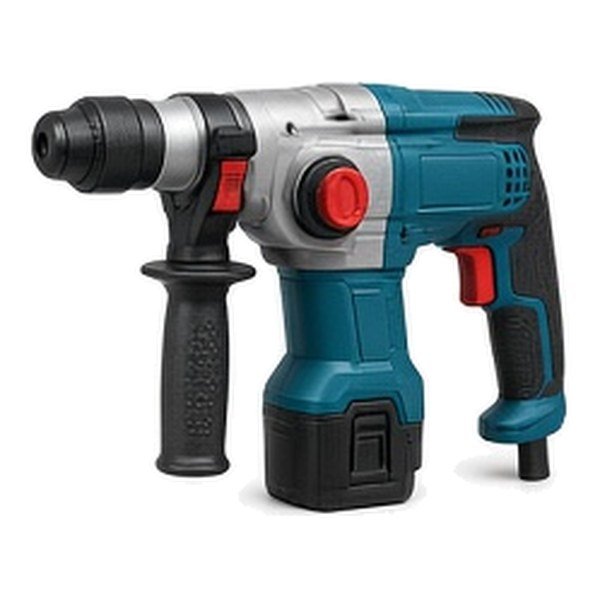
SDS Plus Hammer Drills
Verify the maximum drilling diameter capacity in solid stone before purchasing.
COMPARE OPTIONS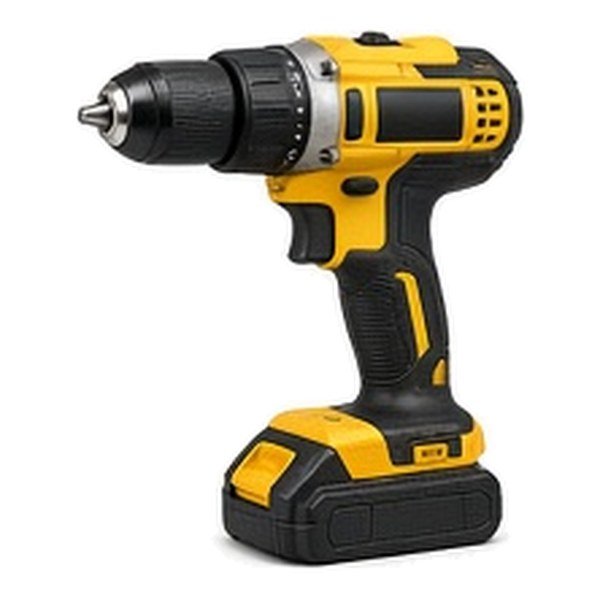
Cordless Drill Drivers
Check the clutch settings to prevent overdriving fasteners into delicate wall anchors.
COMPARE OPTIONS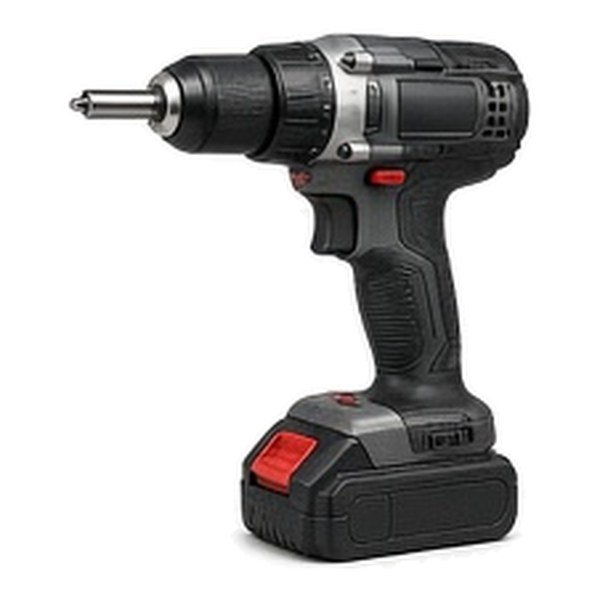
Impact Drivers
Confirm the hex chuck securely locks bits in place during high vibration tasks.
COMPARE OPTIONS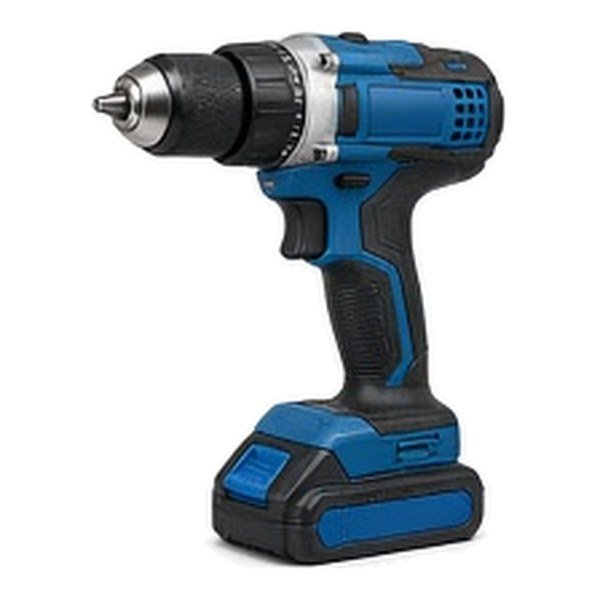
Compact Cordless Drills
Measure the overall tool length to ensure clearance inside tight framing spaces.
COMPARE OPTIONS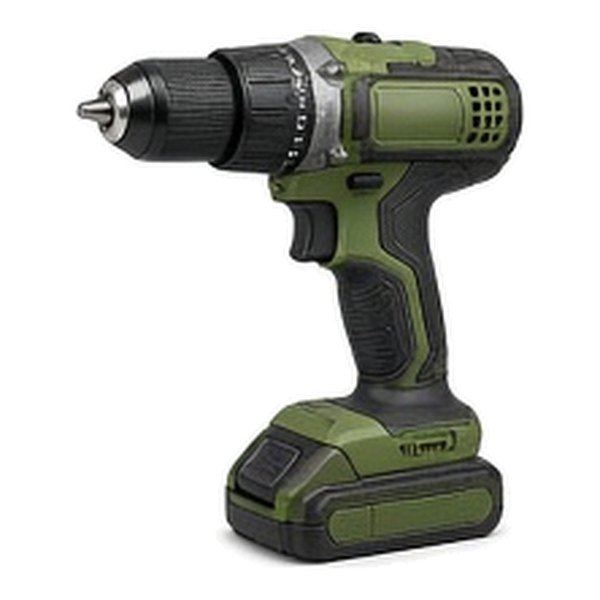
Brushless Cordless Drills
Look for electronic overload protection to prevent motor damage during stalls.
COMPARE OPTIONS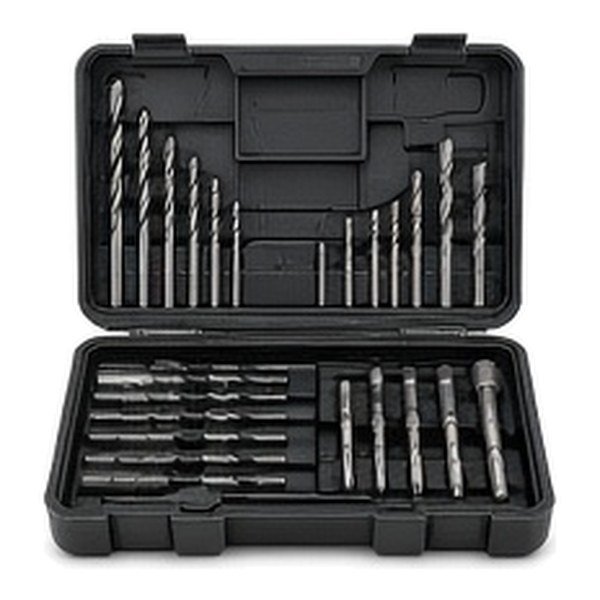
Drill Bit Sets
Inspect the brazing quality where the carbide tip meets the steel shaft.
COMPARE OPTIONS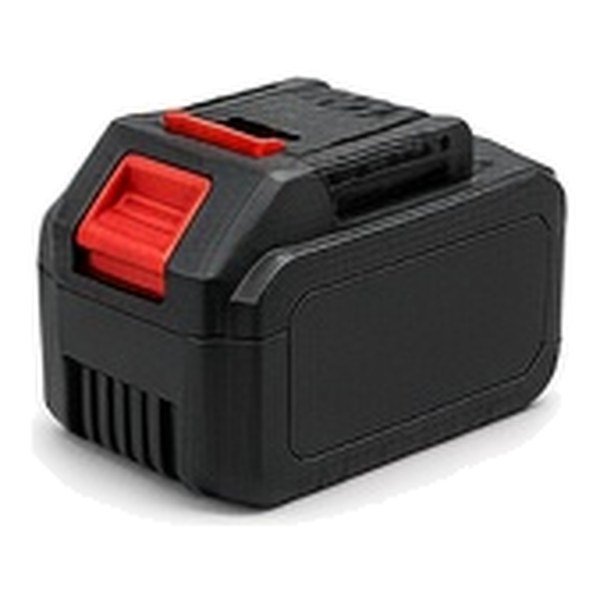
Spare Batteries
Match the amp hour rating to your tool manufacturer specifications for proper fit.
COMPARE OPTIONS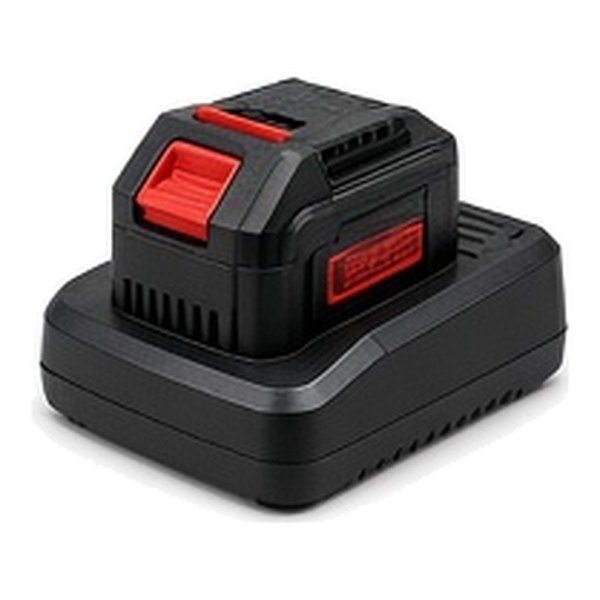
Battery Chargers
Check cooling fan inclusion to prevent overheating during rapid charging cycles.
COMPARE OPTIONSQuestions Shoppers Ask
Should I Choose A Hammer Drill Or Impact Driver For Brick?
A hammer drill uses a forward hammering action combined with rotation to crush masonry and drill clean holes. An impact driver uses rotational concussive blows designed primarily for driving long fasteners rather than drilling into hard stone.
What Size Angle Grinder To Cut Bricks?
A standard four and a half inch angle grinder fitted with a diamond masonry blade handles most home brick cutting tasks easily. Larger seven inch models provide deeper cutting capacity for thick structural walls.
What Kind Of Saw To Cut Bricks?
A masonry saw or an angle grinder equipped with a continuous rim diamond blade cuts bricks cleanly. Reciprocating saws with masonry abrasive blades also work well for rough openings and tight demolition cuts.
How To Maintain A Brick House?
Inspect mortar joints annually for cracks and repoint damaged areas promptly to prevent moisture intrusion. Clean exterior surfaces gently using low pressure washing and specialized masonry detergents.