
Achieve a flawless finish on every woodworking project when you choose the ideal random orbital sander for your home workshop.
A random orbital sander moves the sanding pad in small circles while simultaneously spinning it on a central axis. This random motion prevents visible scratch patterns in the wood grain. It is the best tool for smoothing tabletops, prepping cabinet doors, and removing old paint before applying a fresh finish.
Read The Full Guide
Understanding Orbital Motion
Random orbital sanders combine spinning and orbiting actions to deliver smooth results quickly. This dual motion prevents swirl marks and protects the wood surface from deep gouges. You can easily sand large flat panels without leaving circular tracks behind.
Controlling Dust Effectively
Good dust collection keeps your workspace clean and improves visibility while you work. Many models feature built in canisters or ports for connecting shop vacuums. Clear air paths help sanding discs last longer by preventing clogging.
Selecting The Right Power Source
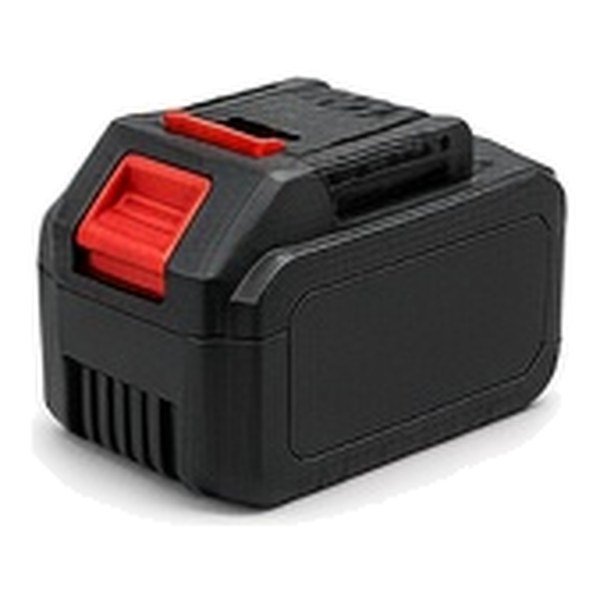
Corded sanders offer endless runtime for heavy duty furniture building and large projects. Cordless battery powered sanders provide maximum portability for working outside or around the yard. Pick the energy source that matches your typical workspace layout.
Matching Grit And Speed
Variable speed dials let you slow the pad down for delicate surfaces or heat sensitive finishes. Coarse sandpaper strips away material fast while fine grits polish the wood smooth. Always progress through gradual grit changes for the best final appearance.
Quick Buying Checklist
- Select a pad size that matches your common woodworking projects
- Ensure the grip feels comfortable during long sanding sessions
- Test the dust collection system to keep your workspace tidy
- Stock up on a variety of abrasive grit levels for smoothing
Top Picks To Compare
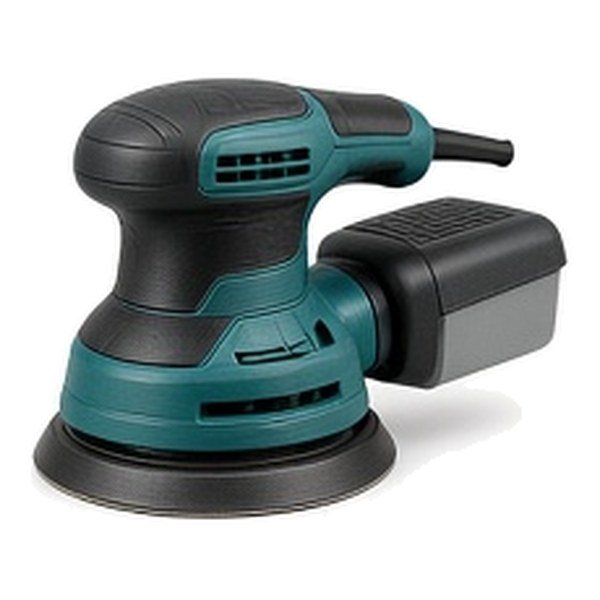
Random Orbital Sanders
Check the motor amperage or battery voltage to ensure adequate power for heavy material removal.
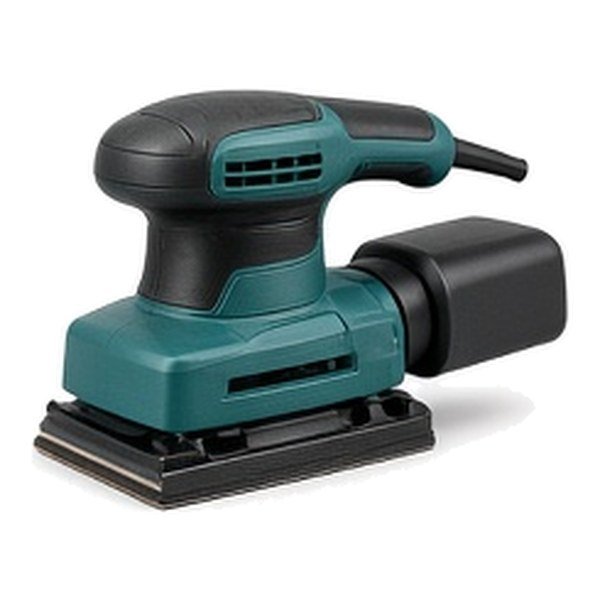
Sheet Sanders
Verify that the clamp mechanism holds standard sandpaper sheets securely without slipping.
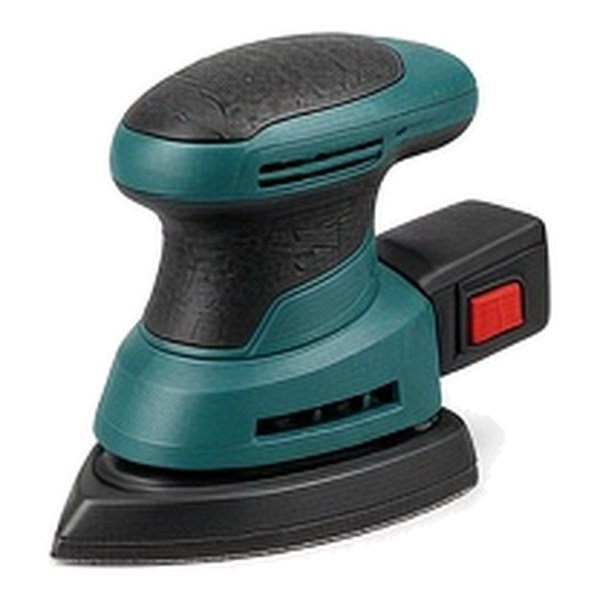
Detail Sanders
Look for triangular pads that easily reach into tight corners and intricate furniture crevices.
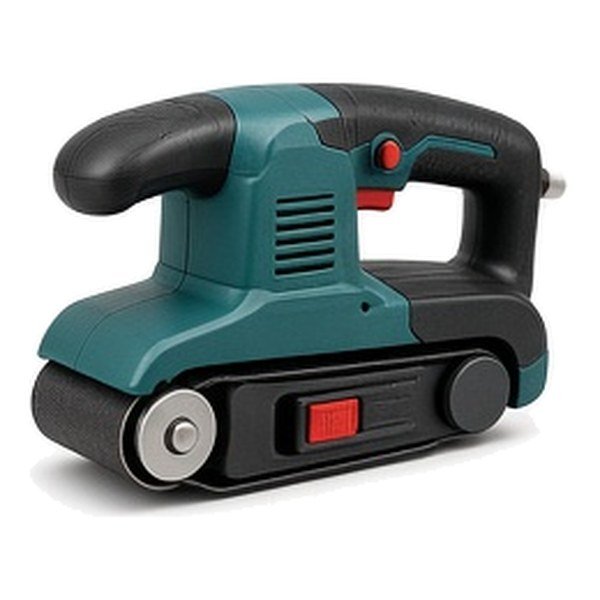
Belt Sanders
Ensure the tracking adjustment knob keeps the abrasive belt centered during intense operation.
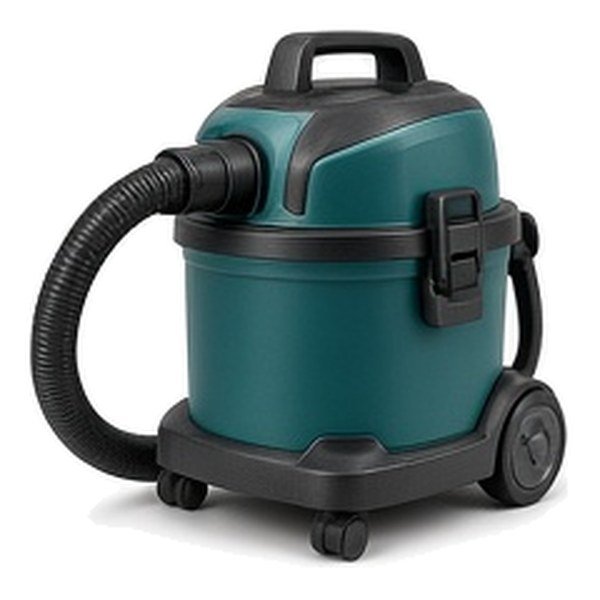
Dust Extractors
Confirm that the hose connection fits your sander port securely without needing adapters.
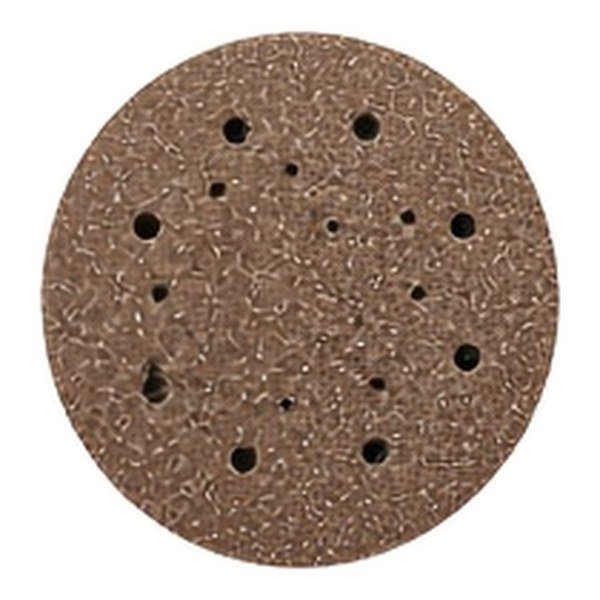
Sandpaper Discs
Check the hole pattern on the abrasive disc to ensure proper alignment with your sander pad.
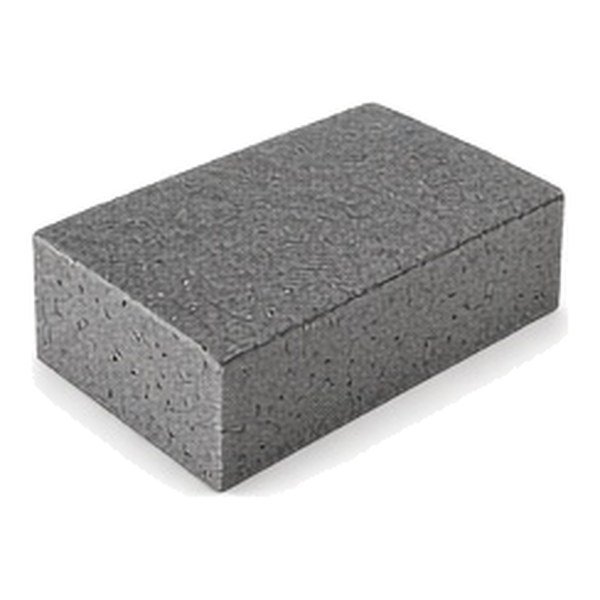
Sanding Sponges
Look for flexible foam cores that conform comfortably to rounded moldings and edges.
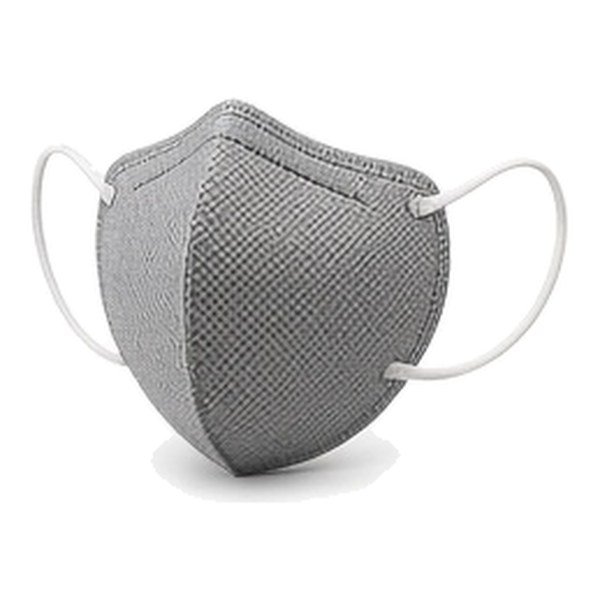
Face Masks
Verify that the particulate rating protects your lungs from fine wood dust and paint particles.
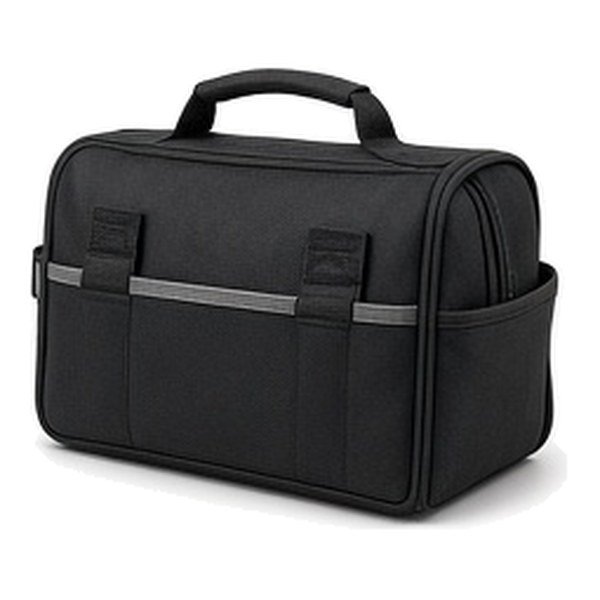
Tool Storage Bags
Choose durable fabric with sturdy zippers to protect your sander during transport.
Questions Shoppers Ask
What Is The Difference Between Orbital Sander And Random Orbital Sander?
Standard orbital sanders move in small fixed circles which can leave visible patterns. Random orbital sanders add an unpredictable spinning motion that prevents swirl marks for a smoother finish.
How Do You Choose The Best Random Orbital Sander For The Money?
Look for balanced vibration control, reliable dust collection, and a comfortable grip. A variable speed motor also adds great value for handling different materials.
How Do You Use A Random Orbital Sander Correctly?
Keep the pad flat against the wood surface and let the weight of the tool do the work. Move it slowly across the grain in overlapping passes without pressing down hard.
What Makes A Good Random Orbital Sander With Dust Collection?
Efficient vacuum ports and well sealed fan blades pull dust away from the sanding surface effectively. This keeps your workspace clean and prevents the abrasive disc from clogging.