
Choose the right tool for drilling and driving screws with confidence.
An impact driver delivers high torque and quick screw-driving, while a drill driver excels at drilling holes and light screw work. Pick based on the task: use an impact driver for heavy screws, a drill driver for drilling and light driving.
Read The Full Guide
Key Differences
Impact drivers use concussive force to turn screws quickly. Drill drivers use rotational torque for drilling holes and moderate screw driving. Their designs and chuck types differ too.
When To Use Each
Use an impact driver for large, stubborn screws or fast driving. Use a drill driver for precise drilling or light screw tasks. Switching between them saves time and effort.
Tool Compatibility
Both tools accept standard 1/2-inch hex sockets, but impact drivers often need a 3/8-inch socket. Ensure the accessory matches the tool’s drive size.
Maintenance Tips
Keep the chuck clean, replace worn sockets, and store batteries in a dry place. Regularly check the torque settings to avoid over-driving.
Quick Buying Checklist
- Match tool drive size to accessories
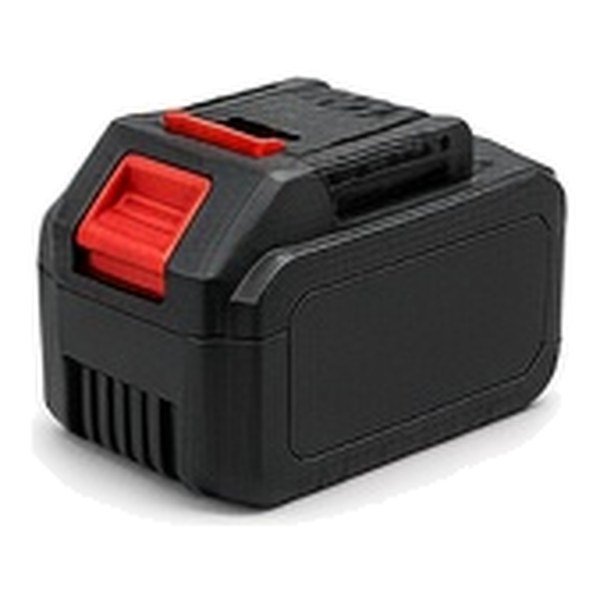
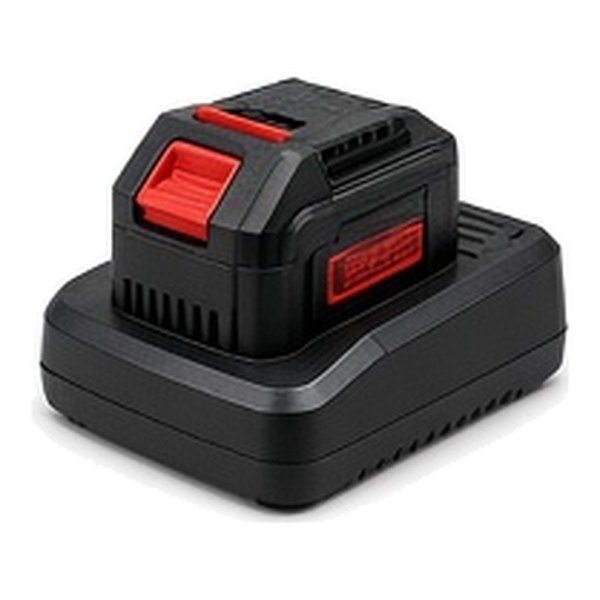
- Verify battery voltage and capacity
- Choose appropriate torque settings
- Consider ergonomic grip and weight
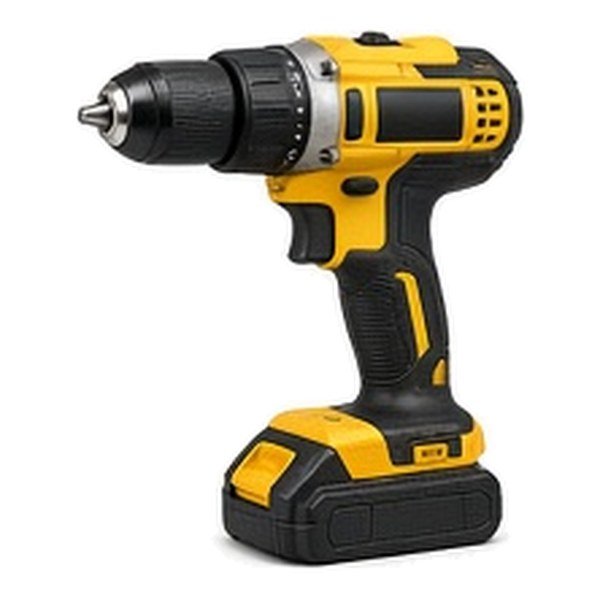
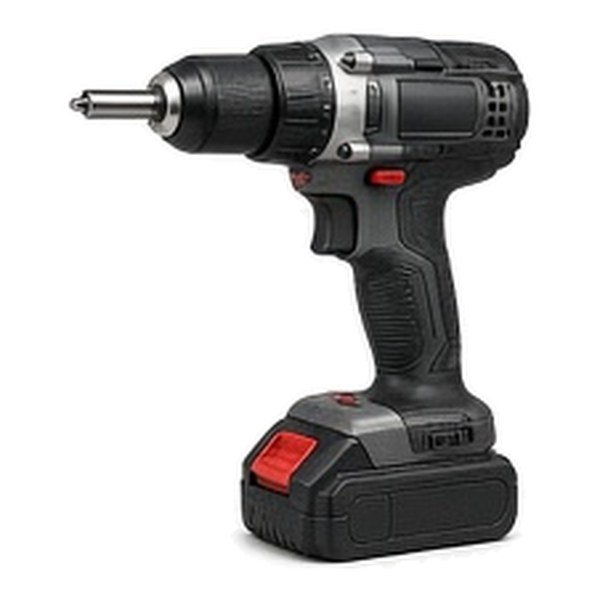
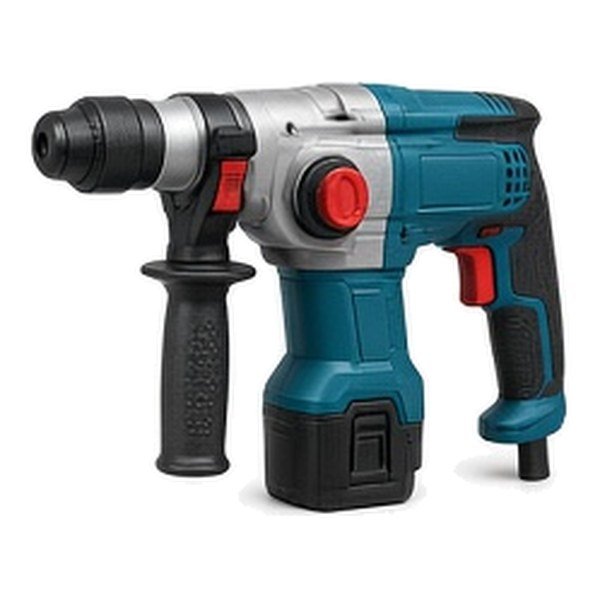
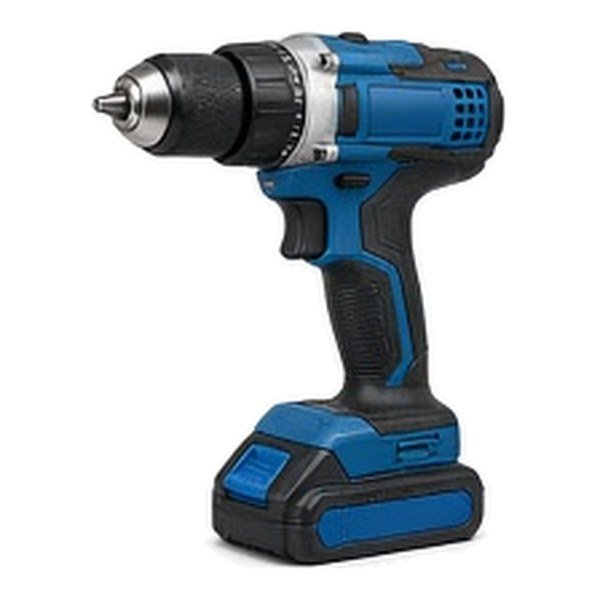
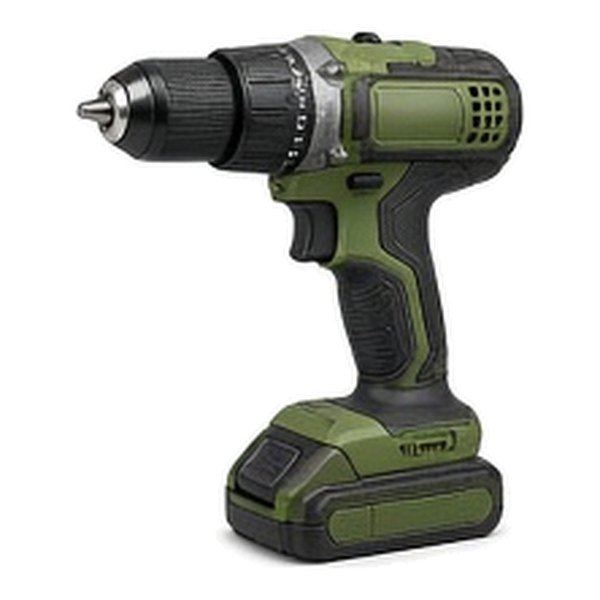
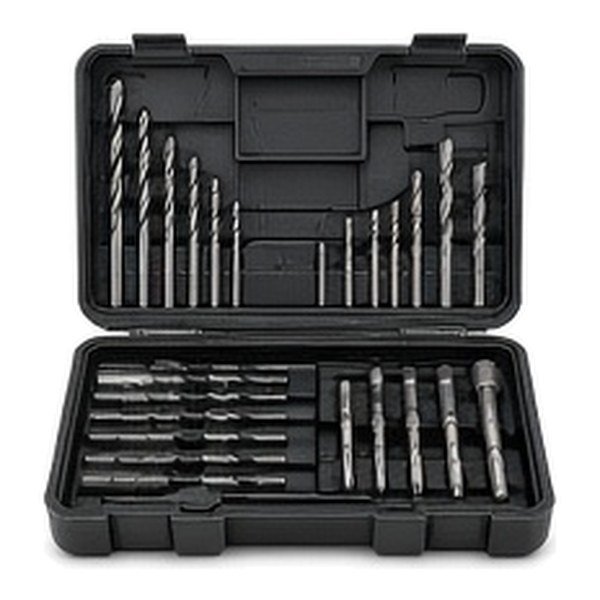
Top Picks To Compare
Questions Shoppers Ask
Is An Impact Driver Better Than A Drill?
An impact driver is better for driving large screws quickly, while a drill is better for drilling holes and light screw tasks.
What Is The Difference Between A Drill Driver And An Impact Driver?
A drill driver uses continuous rotational torque, whereas an impact driver uses concussive force for higher torque.
Do I Need A Separate Drill For Drilling And A Separate Impact Driver For Screws?
Many users keep both tools: one for drilling and one for heavy screw driving, but a multi-function kit can work for most projects.
Which Tool Is Safer For Tight Spaces?
A compact cordless drill is usually lighter and easier to maneuver in tight spots, while an impact driver can be heavier.