
Build confidence in your workshop by mastering jigsaws for smooth curved cuts and clean straight lines on every home project.
A beginner jigsaw should feature variable speed control, toolless blade changes, and an orbital action setting. Look for a comfortable grip and a clear sight line so you can follow pencil marks easily. Corded models offer endless runtime, while cordless versions provide great freedom of movement around your workspace.
Read The Full Guide
Understanding Orbital Action
Orbital action adds a forward rocking motion to the blade stroke. This helps the tool cut faster through thick timber. Switch this feature off when making delicate curved cuts in thin plywood.
Controlling Variable Speed
Variable speed triggers let you start cuts slowly to prevent slipping. Lower speeds work best on metal and plastic. Higher speeds speed up timber cutting while keeping edges neat.
Choosing Blade Shanks
Most modern tools accept T shank blades because they lock in securely without tools. Always match your blade teeth count to the material thickness. Finer teeth prevent splintering on finished surfaces.
Maintaining Clean Sight Lines
A built in blower clears sawdust away from the cutting line as you work. Some models also include LED lights to illuminate dark corners. Both features help you follow pencil marks accurately.
Quick Buying Checklist
- Select a comfortable handle style that suits your grip preference.
- Verify toolless blade change mechanisms for quick swaps.
- Stock up on varied tooth counts for wood and metal cutting.
- Practice making scrap cuts on plywood before starting finished projects.
Top Picks To Compare
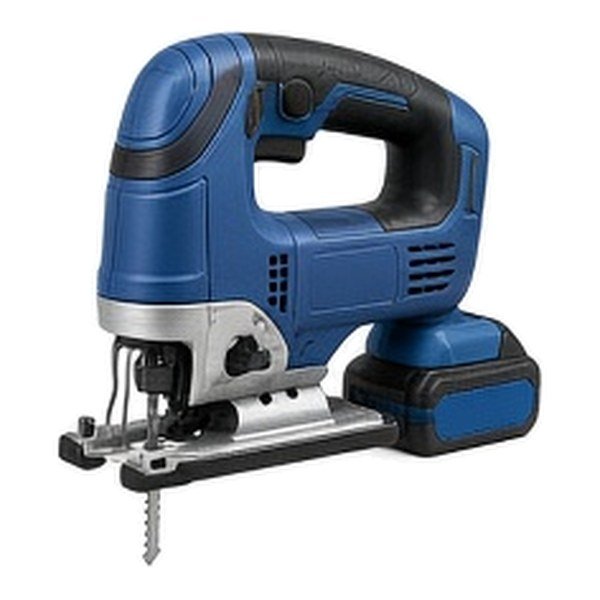
Cordless Jigsaws
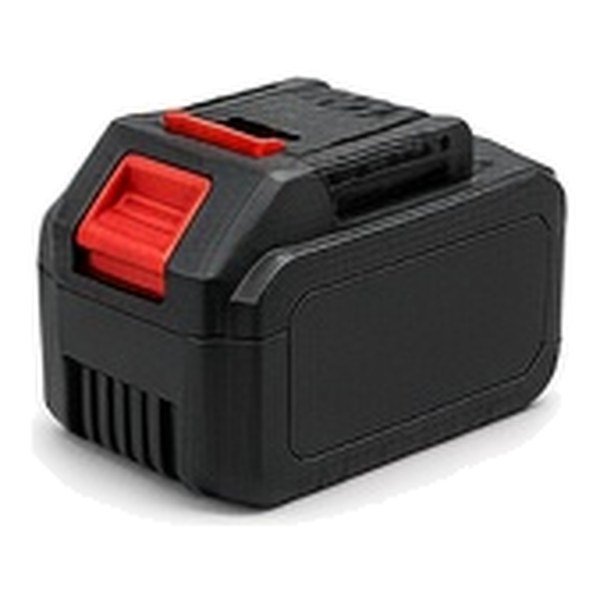
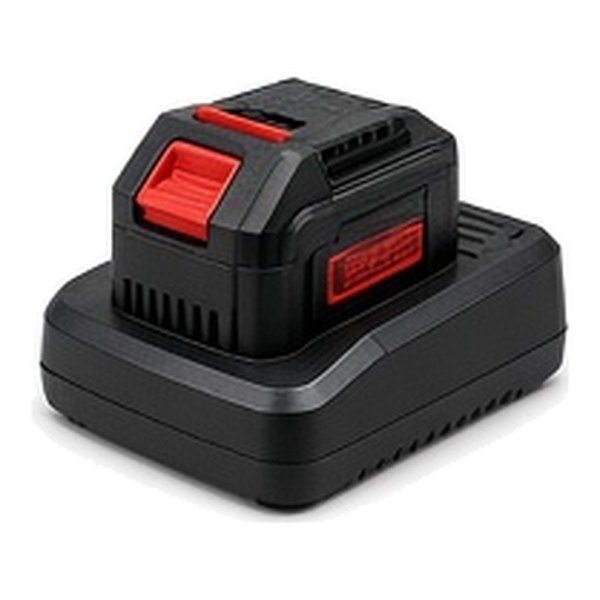
Verify battery platform compatibility and weight before purchasing.
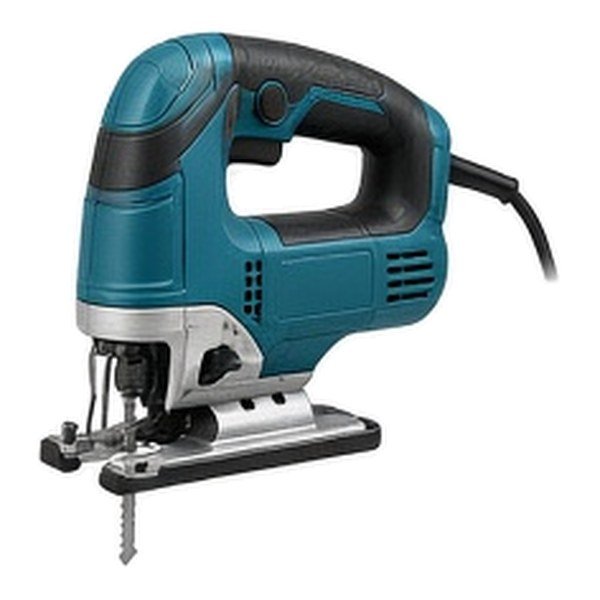
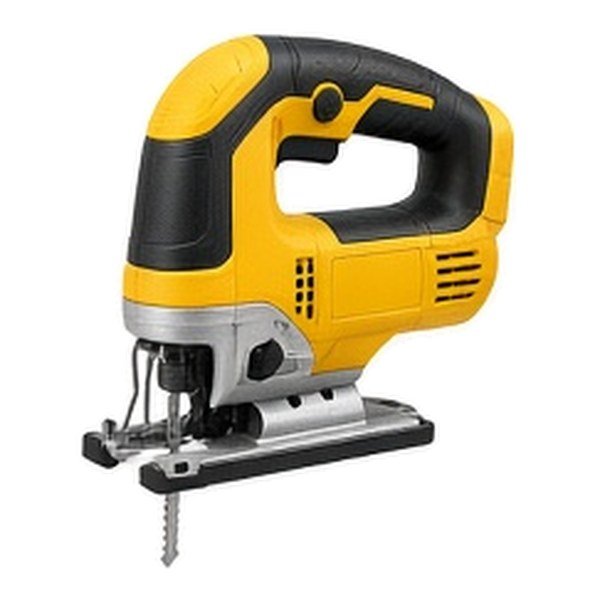
Top Handle Jigsaws
Test the trigger switch position for comfortable continuous operation.
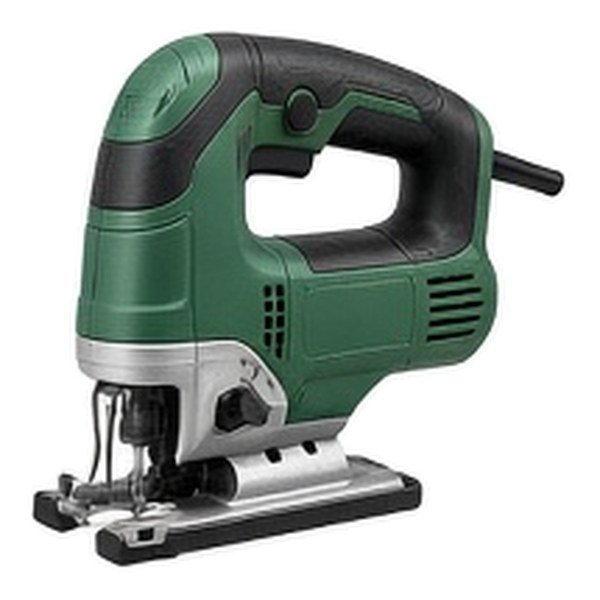
Pendulum Action Jigsaws
Look for adjustable orbit settings to balance speed and finish quality.
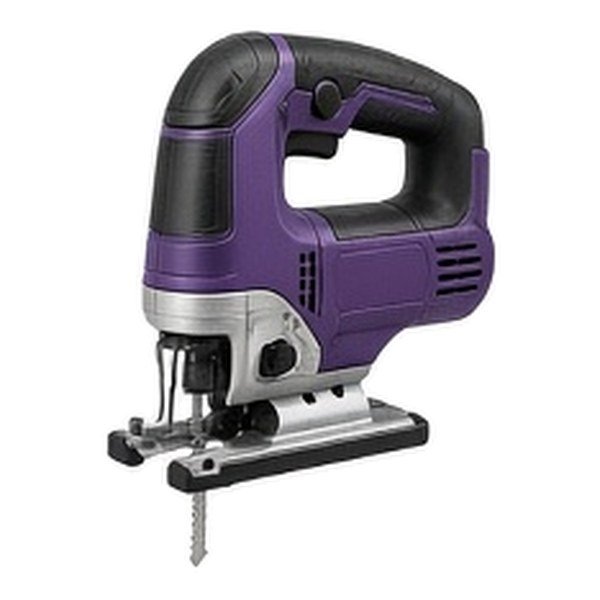
Compact Mini Jigsaws
Confirm cutting capacity meets your typical material thickness.
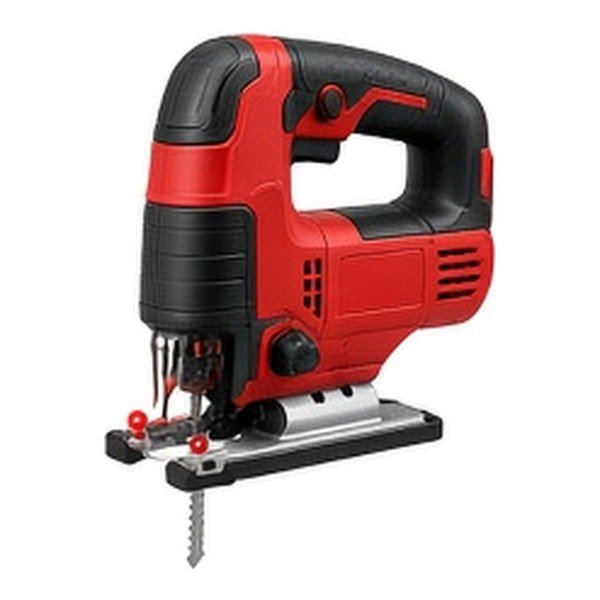
Laser Guide Jigsaws
Verify that the alignment beam remains accurate in bright daylight.
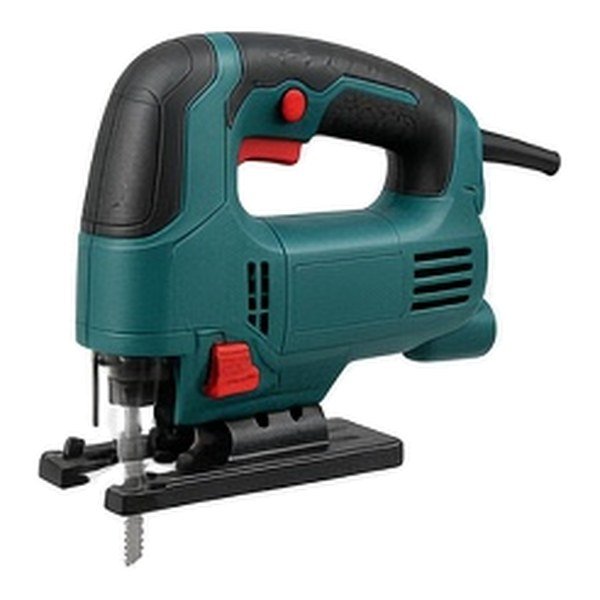
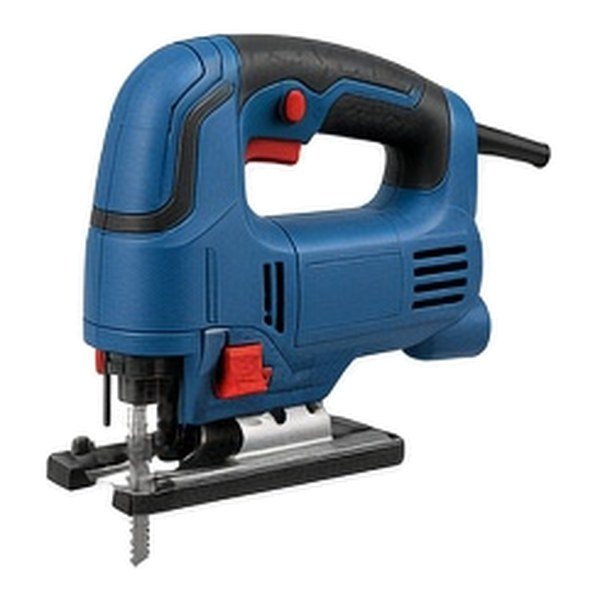
Dust Blower Jigsaws
Ensure the airflow effectively clears debris from your cutting path.
Questions Shoppers Ask
What Size Jigsaw Blade Do I Need?
Choose a blade length that exceeds your material thickness by at least one inch. This ensures the teeth remain engaged throughout the stroke.
What Size Jigsaw Blade To Cut Laminate Countertop?
Use a reverse tooth blade or a fine tooth T shank blade measuring around four inches. This prevents chipping on the decorative top surface.
What Size Jigsaw Blade For Laminate Flooring?
Select a fine tooth bi metal blade designed for clean cuts in thin wood products. Shorter blades around three inches work well for tight flooring corners.
Reciprocating Saw Vs Jigsaw Vs Circular Saw?
A jigsaw excels at curved cuts and intricate shapes in moderate thicknesses. Circular saws handle straight timber ripping, while reciprocating saws demolish rough framing.